 Local authorities have decided to build a dam deep in Romania’s Giumalau Mountains. Before construction begins, Andrei, who works for the Suceava Prefectural Office, sets out alone to investigate a village in that area, which he last visited 20 years ago.
A short story by Ramona Taranu, a Romanian Noh researcher, writer, and translator.
by Kingyoya Editorial Department
“As you know, deep in the Giumalau mountains, there is a great waterfall called Urlatoarea, “the Screaming Falls.” During summer vacation in elementary school, I went there by myself. My father had taken me there once before, but it was the first time I went alone. My grandparents had forbidden it, telling me it was dangerous, but I went there anyway.
My father, you see, died in an accident there. He slipped and fell at the waterfall. He had come to spend a summer weekend with us, and that morning he went into the mountains alone. No one knows what he was doing at the falls. Today, the area is sealed off by iron fencing, but behind the waterfall, there is a cave. It seems my father was trying to reach that cave. However, the narrow path that ran along the rock face suddenly collapsed under the weight of his body. He fell together with the rock and was killed, plunging into the waterfall.”
Why did I go to the Screaming Falls, you ask?
Well… there was some childish sense of adventure, of course. But more than that, I think I wanted to see the place where my father had died. It hadn’t even been a year since his death.
It happened on the way back. Perhaps I was tired, or perhaps I was lost in thoughts of my father—I don’t really know—but I missed my footing and fell off a cliff. My memory of what happened around then is hazy. But what happened after I regained consciousness, that I remember very clearly.”
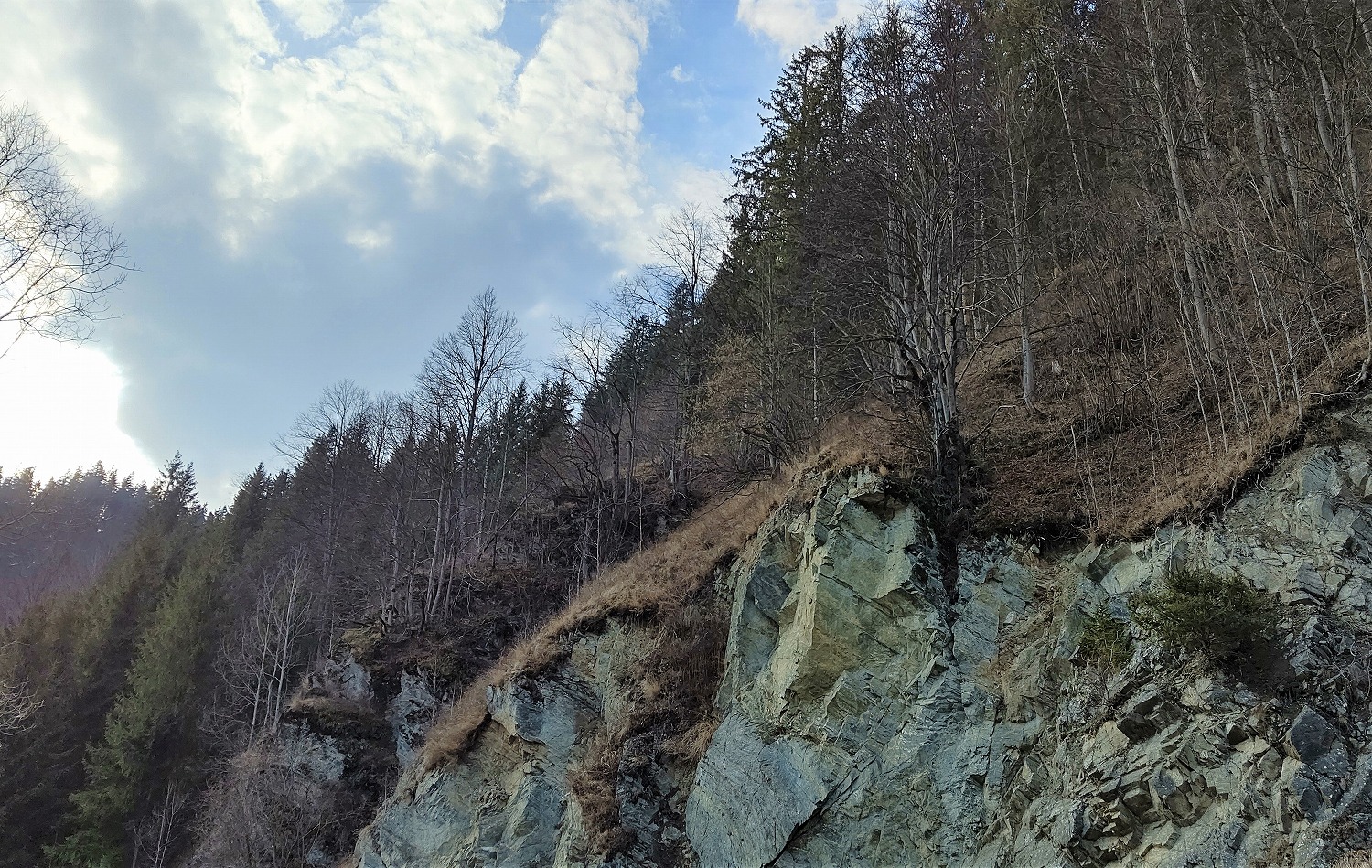
Before my eyes, the scenery of the Village by the Stream rose up, just like a moving picture. Even knowing that Maria would never be able to grasp every detail, I tried my best to describe the village that unfolded before my eyes.
“The first thing I saw when I woke up was a great tree. I was lying beneath it.
A tree as white as snow stretched its branches toward the sky. Its vivid green leaves formed a transparent dome, wrapping the whole world within it. From among the branches, birds with long, rainbow-colored wings were watching me. Others spread their wings and flew through the canopy above.
Beneath the branches, people were dancing in a circle around the trunk, performing a traditional folk dance. They were all dressed in old-fashioned folk costumes. It was a world like something out of a picture book.
Feeling a gentle breeze upon my forehead, I drifted back into sleep.
When I woke up again, I was once more beneath the same tree. But as I looked more closely, I realized it was not real—it was an image woven into a tapestry hanging on the wall. The tree, the leaves, the rainbow-colored birds, the dancers—all of it was rendered in fine threads of fabric.
I was lying on my back in a soft bed with pure white sheets. The air was cool, carrying the scent of basil. When I tried to sit up, a sharp pain shot through my back and chest. Only then did I notice that my chest was tightly wrapped in layers of bandages.
The room was furnished with simple wooden pieces, and sunlight filtered in through the window, passing softly through sheer white curtains. On the table by the window stood a black vase filled with small purple and yellow flowers. In one corner of the wall hung an icon of the Virgin Mary, illuminated by the glow of a candle.
It reminded me of my grandmother’s room, and yet it was clearly somewhere unfamiliar. When I looked at the Virgin Mary, I thought of my mother, and I began to cry.
“Oh, you’ve woken up. God’s mercy is without measure. Does it hurt, my dear?”
This elderly woman with gentle eyes was Grandma Sofia. She wore a brown head covering, a white blouse, and a black skirt.
“You want to see your mother, don’t you? There, there. Once you’re better, we’ll take you to her right away.”
Her words eased me a little.
“You must be hungry. I’ll bring you some chicken soup.”
The old woman came back carrying a plate of bread in both hands. Behind her stood another woman, carefully cradling a bowl of soup. She wore the same traditional dress as the grandmother, but her head covering was white, and a little of her fair hair showed beneath it. She was about the same age as my own mother.
“It’s so good to see you’re awake,” she said softly. “We were worried about you.”
Supported by the two of them, I was fed soup with a wooden spoon by the younger woman.
“What’s your name?”
“An… Andrei.”
“Andrei. That’s a lovely name. We have a boy at home about your age, you know. I’m sure you’ll become friends very quickly.”
Just then, I noticed a small girl peering at me from behind the door, her eyes wide with curiosity. The woman followed my gaze and turned around.
“Marioara, come here,” she said. “Our guest is feeling better now. A new friend for you.”
The little girl toddled into the room. She was about four years old and clutched a cloth doll to her chest. With her bright blond hair and white dress, she looked like a sweet little doll herself.
“This is my daughter, little Marioara—Cristi’s sister. Cristi should be back soon. He looks after the sheep during the day.”
Cristi was a child with blond hair falling to his shoulders. He wore a long white shirt and white trousers. Only the wide, woven sash around his waist was black, embroidered with beautiful red and green patterns.
Cristi was shy and easily embarrassed. At first, he stared at me in silence. I was struck by how blue his eyes were.
Cristi and little Marioara’s father was Uncle Nicolae, a tall man with a broad, powerful build.
When he came to my bedside, he said with a hearty laugh,
“Good to see you awake, boy. When I found you on the rocks near the Screaming Falls, I didn’t know what to do. You were covered in blood and looked as if you weren’t even breathing. I couldn’t decide whether to take you down to the foot of the mountain or bring you back to our village—but the sun was already sinking, so I carried you here. Doctor Vasile’s treatment must have done the trick. My boy, you must give thanks to the doctor and to God. Once you’ve regained your strength, I’ll take you straight home.”
“Thank you, sir,” I said.
When I thanked the doctor for coming to see me, he pushed up his round spectacles with a finger and said,
“For a fall from a cliff, you were a lucky one. Nothing is broken. There was bleeding and tearing—so, a rather nasty injury—but it’s a good thing you didn’t strike your head. At your age, let’s see… with about ten days of rest, you should be able to walk again.”
“Andrei, it won’t do to lie in bed all day. You need more sunlight.”
Saying this, Uncle Nicolae lifted me up with ease—I still couldn’t walk—and carried me out to the veranda. He propped my back against one of the house’s wooden pillars and wrapped me in a blanket.
For the first time, I saw the world outside—the valley of the little stream. I was astonished. Half of the view was sky. Across the meadow stretching all the way to the edges of the mountains, small houses were scattered here and there, with haystacks rising in places like gentle mounds. It was utterly quiet, so quiet that I could clearly hear the bells hanging from the sheep’s necks.
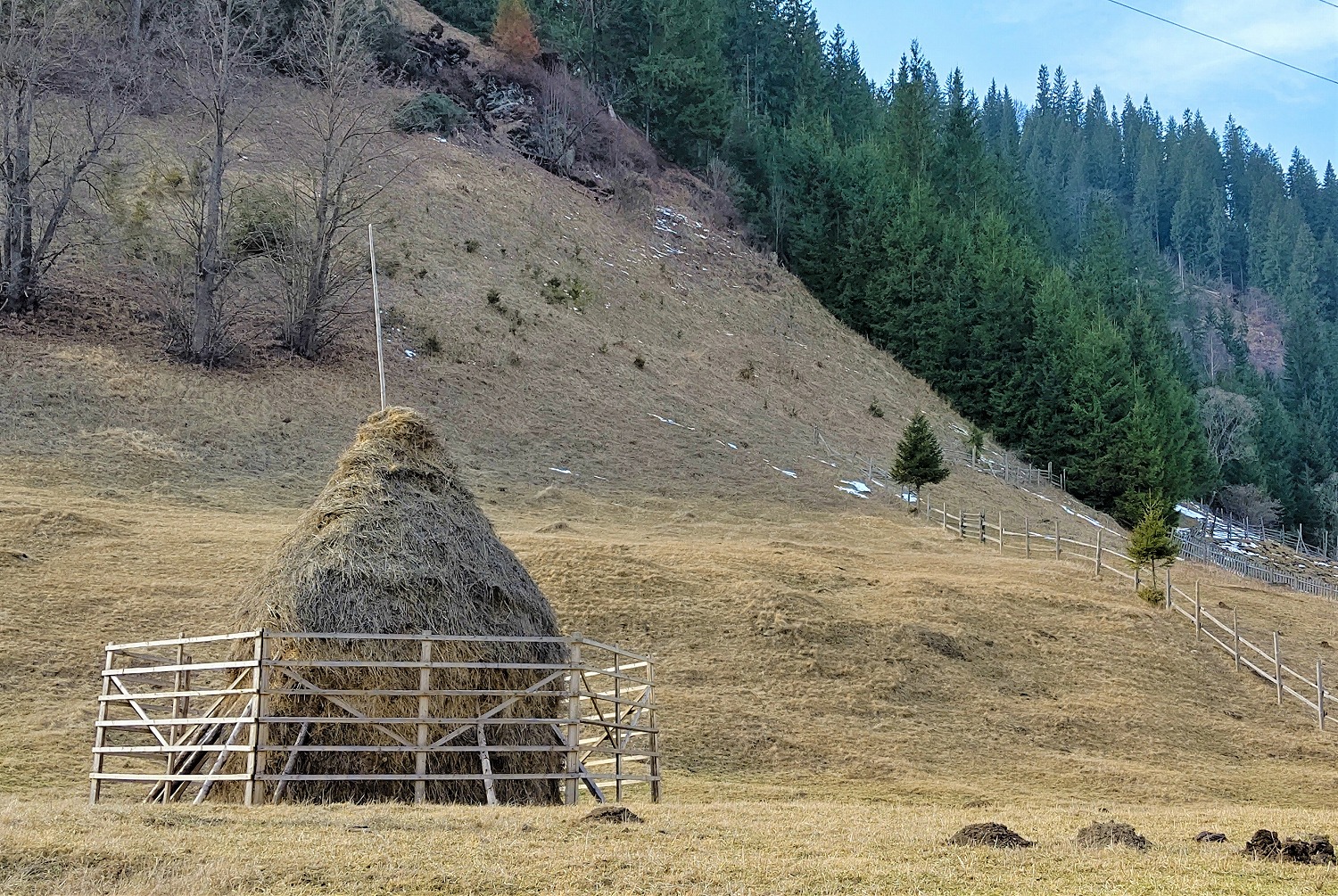
I thought that perhaps Cristi’s and little Marioara’s eyes were so blue because they lived in a place so close to the sky.
Perhaps at Uncle Nicolae’s urging, Cristi came and sat down beside me. He was shy, fidgeting and glancing at me now and then, but he didn’t speak. I didn’t know what to say either. I knew he was a shepherd, so I ended up asking something foolish.
“Do you… have sheep?”
“We do!”
Cristi’s eyes lit up as he looked straight at me.
“Thirty of them! We have the most in the whole village!”
He dashed off, then came running back with a white lamb cradled in his arms.
“Here, you can hold it.”
It was the first time I had ever seen a lamb up close, let alone held one. Its wool was incredibly soft, and no matter how much I stroked it, I never grew tired of it. The lamb, however, kept trembling, bleating softly in a thin, wavering voice.
“Maybe it’s scared because it’s away from its mother,” I said.
“Its mother’s out grazing,” Cristi replied. “The lambs don’t go up into the mountains until they’re a bit bigger. Wolves would carry them off. You have to play with it better, that’s all.”
Though we were not much different in age, Cristi was already a full-fledged shepherd. And because sheep were so important to the village, Cristi was doing work that helped sustain the whole community.
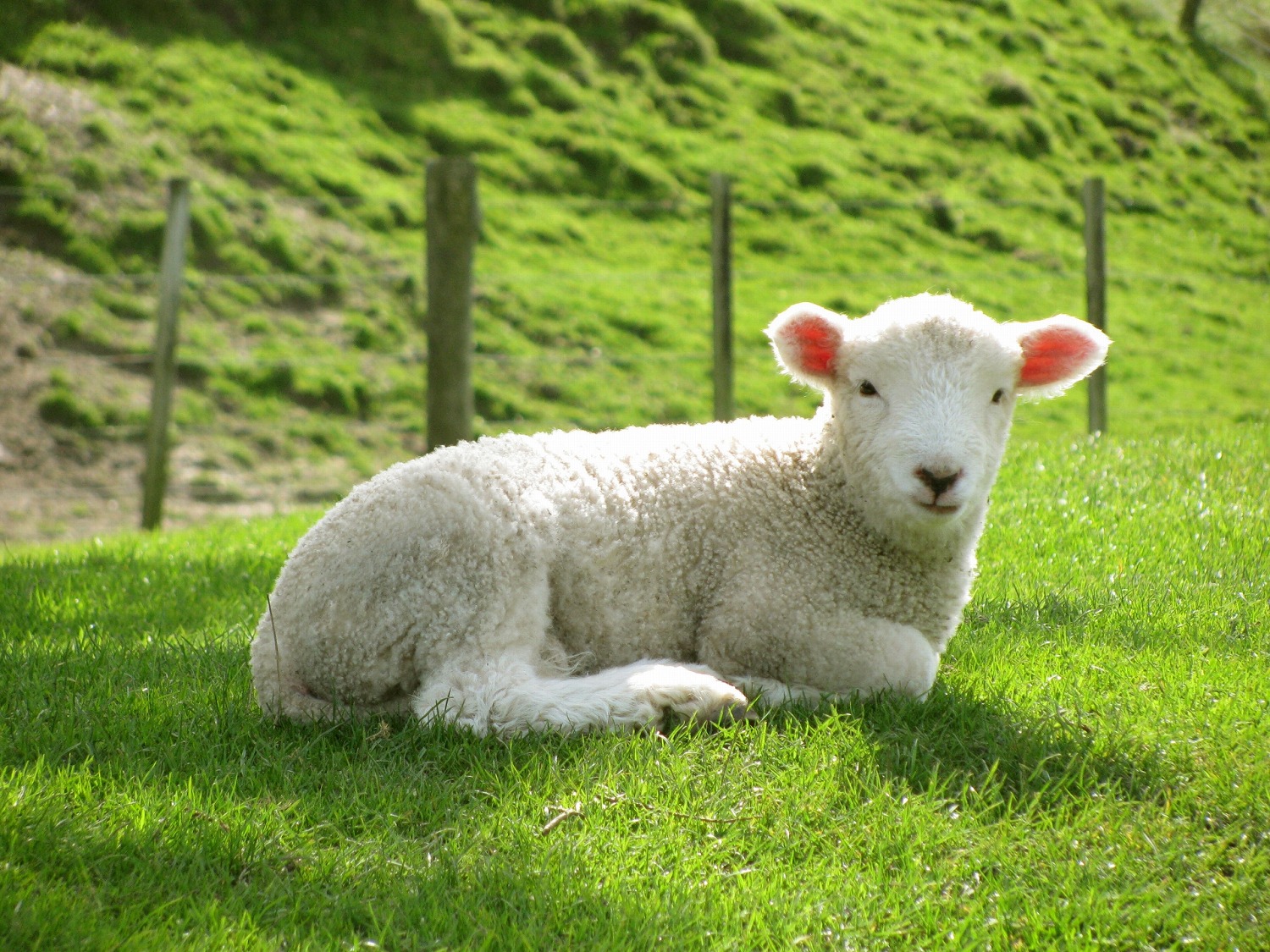
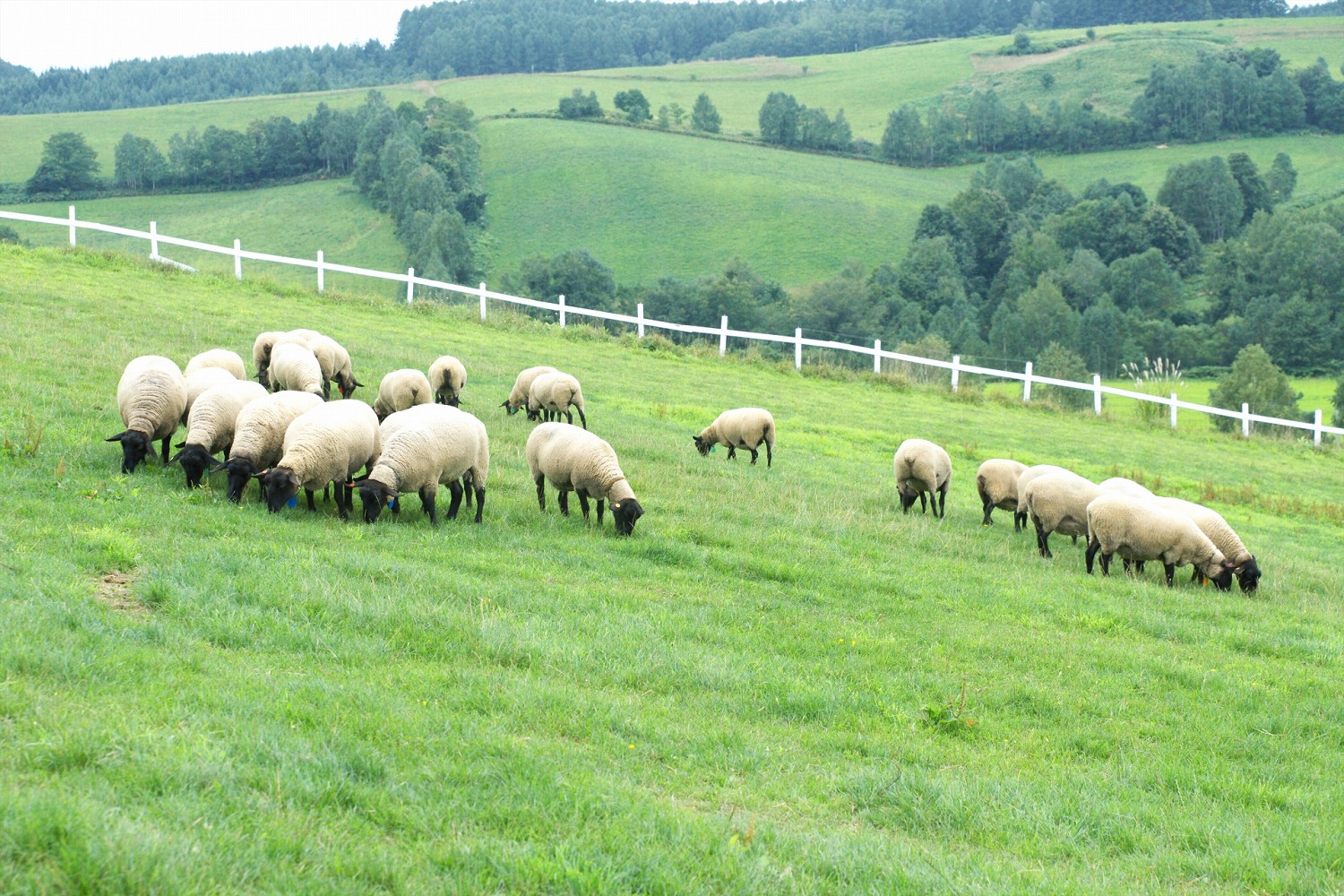
Once I was able to stand on my feet, Cristi’s mother took me to see the sheep as they returned from the pastures. Half of the barn was filled with them, waiting their turn to be milked. The air was lively with the ringing of bells, the bleating of sheep, and the shouted calls of the shepherds as they moved briskly about.
Cristi’s task was to lead the sheep whose milking was finished into the large enclosure at the back. Wielding a staff taller than he was, he guided them along while whistling a clear, ringing tune that echoed through the barn.
The tools used in the village were truly beautiful. At the entrance to the barn stood a shelf lined with wooden tubs and buckets, large ladles, and a dozen or so brushes still packed with sheep’s wool. Every tool was decorated with delicate carved patterns—small flowers, leaves, and other fine motifs.
One of the people doing the milking handed Cristi’s mother a bucket filled to the brim with pure white milk.
At night, the whole family always ate together. Cheese, sour cream, and the maize porridge we call mamaliga appeared on the table every day. The main dish might be meat or vegetables, but the meal always ended with a warm dish made from sheep’s milk.
Milk heated in the mamaliga pot was Cristi’s favorite. “It’s good,” he said, urging me to try it as well. It was the first time I had ever tasted such a dish, and it was delicious. We ate it straight from the pot with wooden spoons; the scorched crust at the bottom was so fragrant.
“Have some more,” Cristi would say, offering me the milk from the pot night after night. He was a kind boy.
Ever since I had been lying in bed, I had noticed a steady, rhythmic tapping sound—thump, thump—and wondered what it might be. Little Marioara led me once to where the sound was coming from.
At the back of the kitchen was Cristi’s grandmother’s room, and a large loom occupied more than half of it. Cristi’s mother was working the loom at a lively pace. Grandma Sofia sat on the bed, gathering soft sheep’s wool into bundles, spinning it into thread, and winding it onto spools.
Marioara showed me what her mother had woven. The tapestry I had seen when I first awoke was her work as well. It felt almost like magic. With swift hands, her mother separated countless threads and set the loom clattering, and before I knew it, wide grasslands and forests, beautiful flowers and trees, deer and birds, and intricate geometric patterns were appearing one after another.
Her weaving was famous throughout the village. Cristi told me that when Uncle Nicolae went down to the village at the foot of the mountains, he sometimes took her work with him to sell. With the money, they bought things they couldn’t produce in the deep mountains—wheat flour, cornmeal, and other necessities.
My best friend, without a doubt, was Cristi. Since he was a shepherd, he went out every day to graze the sheep, and I eventually started going along with him. His mother lent me a hat and a staff just like his. We even had matching woven bags packed with a bottle of water and our lunch. “You look just like brothers,” his mother said as she came out to see us off.
In the early morning, the sheep would go running toward the meadows where the dew still lingered. We’d have to chase after them, of course, but as the sun rose higher, the sheep’s pace would slow down. We would sit in the shade of the haystacks and talk—about the valley with its small stream, or the town visible as a faint glimmer in the distance.
When the sun climbed to the very top of the sky, it was time for lunch. We would eat the cheese and mamaliga from our bags. Perhaps it was because we were eating outdoors, but that cheese tasted surprisingly delicious. After eating, I couldn’t help but get sleepy, but Cristi was a true shepherd. To keep from nodding off, he would pull a flute from his belt and let a beautiful melody ring out. Its tune echoed through the valley, as if competing with the song of the skylarks. I borrowed it a few times to try and play, but I could only produce a sound like the cold winter wind. Even the flute itself had patterns of leaves and flowers carved into it.
Sunday, of course, was the day of rest. The whole family would go to church together. I usually wore clothes borrowed from Cristi, but, one day, his mother made me a shirt of white linen, with beautiful embroidery on the collar and sleeves. It matched Cristi’s perfectly. I was so happy.
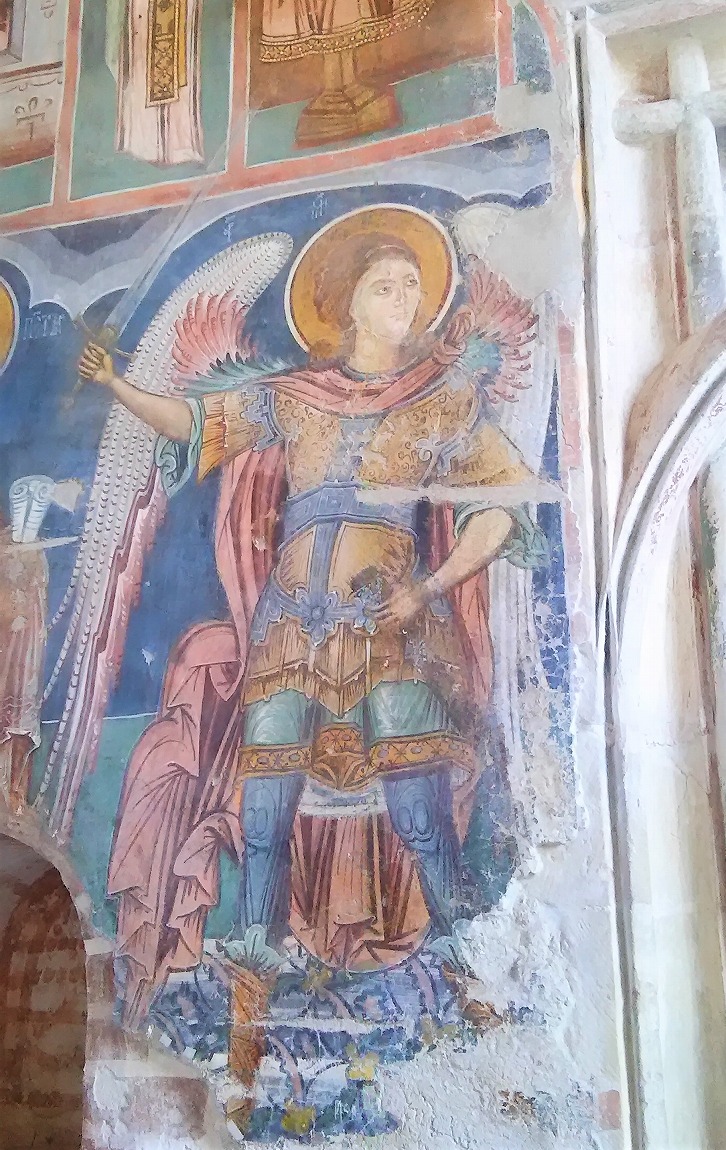
The church was small but magnificent. It was crowded with villagers; Grandma Sofia and Cristi’s mother, who held little Marioara’s hand, stayed by the entrance in the area reserved for women. Cristi and I stuck close to Uncle Nicolae, listening to the Mass from near the altar. There was a large icon of Jesus there, surrounded by the faces of countless saints and angels. Uncle Nicolae always kept his hands resting on my and Cristi’s shoulders.
There were two priests—one with a white beard and one with a black beard. They read from the Scriptures and sang hymns. I noticed the villagers occasionally looking my way, giving me a small nod or a smile. Though they were all strangers to me, it was a small village; it seemed everyone already knew that I had tumbled into Uncle Nicolae’s household.
Since the school was on the church grounds, Cristi took me to see it. It was a white building, just like the others in the village. “There aren’t any classes because of summer break,” he said, “but the library in the back is open every day.”
A narrow hallway ran between two classrooms. Cristi opened the door on the left and led me inside. There were three rows of wooden desks and chairs, but they were much smaller than the ones at my school.
‘Are there not many students?’ I asked.
‘I’m in second grade,’ Cristi replied, ‘but there are three first-graders, one fourth-grader, three seventh-graders, and four eighth-graders. We only have one teacher, and they give each of us our own different lessons.’
It was surprising to hear that all the village children studied together in the very same room. As we stepped back outside, we happened to run into Doctor Vasile—the man who had treated my injuries.
“Ah, Cristi! I see you’ve brought Andrei to show him our school.”
“That’s right, sir. The Doctor is everyone’s teacher,” Cristi said.
“Doctor Vasile is a schoolteacher, too?” I asked.
“He’s the best teacher there is. He knows all about the lower villages, the cities—he knows everything there is to know about the whole world.”
“Now, Cristi, that’s a bit of an exaggeration,” the doctor replied.
With a bashful smile, Doctor Vasile headed into the library at the back.
“The doctor was born and raised in the city. Aside from you, he’s the only person in this village who came from the outside.”
“What do you mean?”
“Everyone except the doctor was born and raised right here. No one has ever left, except for the men like my father who occasionally go down to the lower villages. Only five men in the whole village know the path that leads to the foot of the mountain.”
“I see…”
“When I grow up, I want to be one of the men who can go down there—I want to see the city! I’d have to take care of the sheep, so I couldn’t stay for long, of course. Maybe just two or three days.”
I wanted to tell him, “You should come visit me,” but I swallowed the words. Even with my child’s heart, I understood that Cristi had shared something very important with me.
In the back of the churchyard, deep in the shadows of the fir trees, stood rows of small crosses. Grandma Sofia was there, standing before the graves.
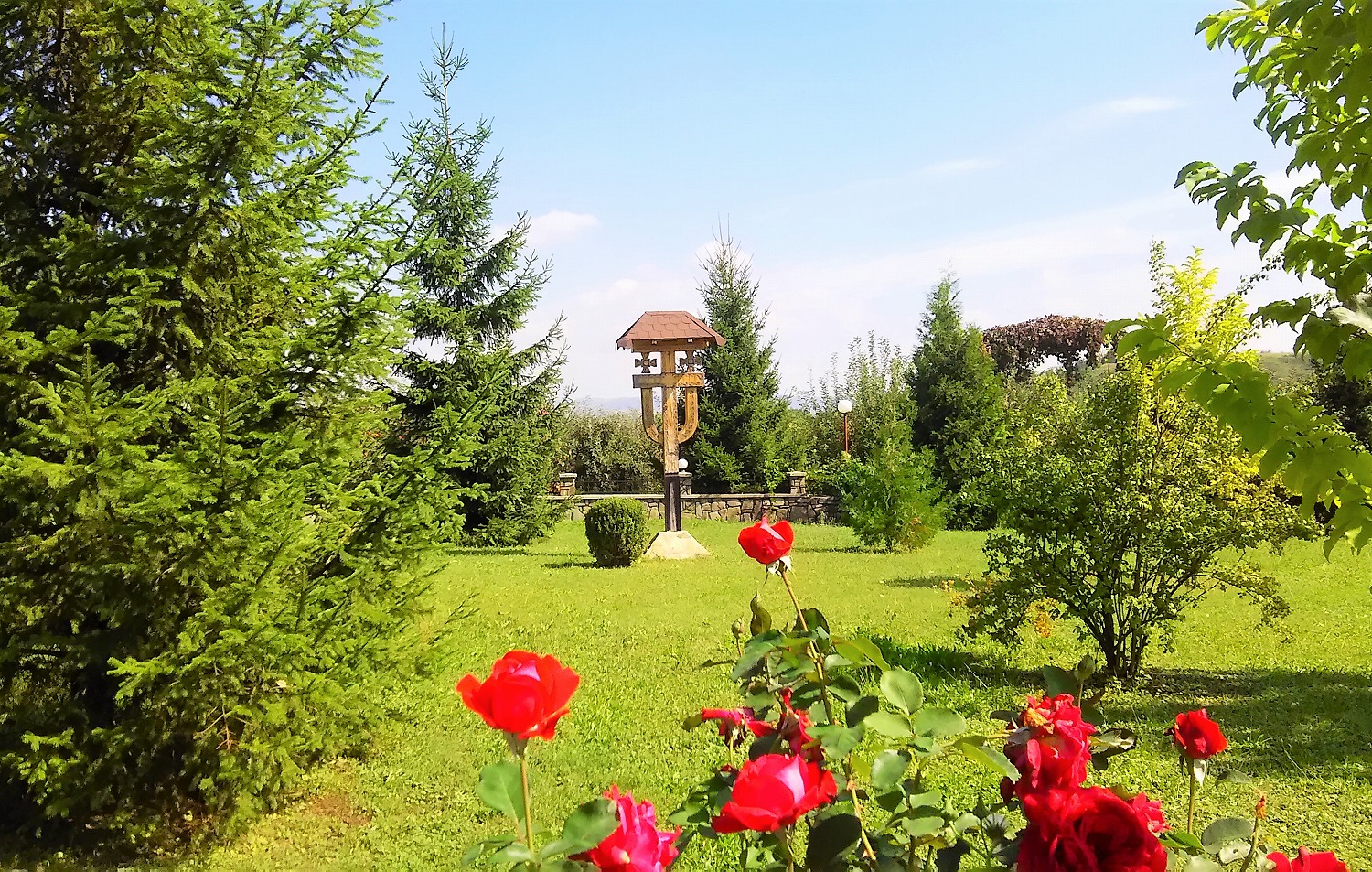
I asked Cristi, “What is she doing?”
“She’s lighting the candles for the graves,” he replied. “And not just today; she comes here every single day. Because Grandma Sofia is always thinking of those who have left this world. When she passes away, I’ll be the one to light the candles every day in her place. That’s why I can’t ever leave the village for very long.”
Cristi was truly like an adult. He wasn’t just doing his job; he was one of the men who upheld the many traditions and rites of the village.
Yes… the church, the cemetery, the funerals…
The “Funeral Song for the Unmarried,” from the book you happened to set out for me! I heard it—I actually heard it with my own two ears!
Cristi had climbed the cherry tree behind the house; he snapped off branches heavy with fruit and tossed them down to Marioara and me as we waited below. Those cherries, drenched in sunlight, were so large and sweet.
“What’s that?”
Cristi climbed down from the tree and peered into the distance.
“Let’s go see.”
We ran toward the cemetery. There were the villagers in their black mourning clothes, the priests with their white and black beards, and… a girl dressed in a bridal gown.
That’s right, it was Irina! Cristi told me she was the potter’s daughter, just three years older than us. I finally understand now why she was dressed as a bride.
Uncle Nicolae led us away from the circle of the funeral. “The adults will see the dead on their way,” he said. “Children should watch from a distance.”
The day of my departure was decided quite abruptly. Uncle Nicolae said, “Andrei, you’re now healthy and strong again. The next time we head down the mountain, we’ll take you back home.”
It was only then that I thought of my own home for the first time. I realized my mother, grandfather, and grandmother must be terribly worried about me. It might seem strange, but until that moment, I had hardly given home a thought. Somewhere inside, I must have known that I was going through a very important and precious experience. Besides, I knew for certain that Uncle Nicolae would bring me home. So, for as long as I was in that village by the stream, I was a village child through and through.
On the morning of my departure, Cristi’s mother had me put on the shirt that matched his. Everyone came out in front of the house to see me off.
“Take care, Andrei,” she said, her eyes welling with tears.
“May God be with you.”
Grandma Sofia traced a cross in the air toward me.
Cristi was a man of few words. It was truly painful to say goodbye to him. The only person who saw me off with a smile was little Marioara.
I felt like I had to say something, but the words wouldn’t come. In the end, without saying a word, I shared a tight embrace with each of them, and then, led by Uncle Nicolae’s hand, I left the house behind.
As we passed in front of the church, I followed Uncle Nicolae’s lead and offered a prayer of my own.
It was then that Uncle took out a white cloth and blindfolded me.
“I’m sorry about this, Andrei. But the people who know the way to this village are few. We don’t really want outsiders coming here. So, let me keep you blindfolded until we’ve made it down.”
I didn’t ask “Why?” I suppose I was already halfway to being a child of the village.
Uncle Nicolae took me on his back.
“Hold on tight,” he said.
Uncle Nicolae spoke as he walked.
“The world below is changing faster and faster. I don’t think that’s necessarily a bad thing, but things are different here. We simply want to live a quiet life alongside the mountain, offering our thanks to God and our ancestors.”
“Then, what about the doctor?” I asked.
From the sounds around us, I could tell we had already entered the forest.
“So Cristi told you, did he? The doctor is a bit of a special case. One day, out of the blue, he arrived here all by himself. But he never went back. He chose to stay, wanting to use his knowledge for the good of the village. He treats the sick and teaches at the school—you’ve seen that yourself. The peace and security we enjoy in our lives are partly thanks to him.”
Uncle Nicolae kept on walking. He put me down to rest for a short while, but when he went to take me on his back again, he used a single length of rope to bind my body securely to his.
“It gets steep from here. Hold on tighter.”
Since I couldn’t see anything, I had no way of knowing what kind of place it was. Moving my arms and legs in sync with his, I felt as though we were descending a long, endless ladder. I felt a piercingly cold wind against my back. Looking back, I think it must have been a cliffside.
I felt a wave of relief when I sensed we had reached level ground. It seemed as though darkness had fallen around us. Our footsteps began to echo; we might have been inside a cave. After that, I heard the sound of a river again. Before long, the roar of violent, rushing water echoed from the distance. I was certain it was the Screaming Falls. The memory of my father rushed back to me, and I grew uneasy.
When we finished descending the mountain path, I was set down, and the blindfold was removed.
“This is where I found you,” Uncle Nicolae said, pointing to a rocky stretch of the riverbank. My body had happened to snag on a rock, which was the only thing that kept me from falling further downstream.
By the time we reached the Bistrita River, which flows at the foot of Mt. Giumalau, night had completely fallen.
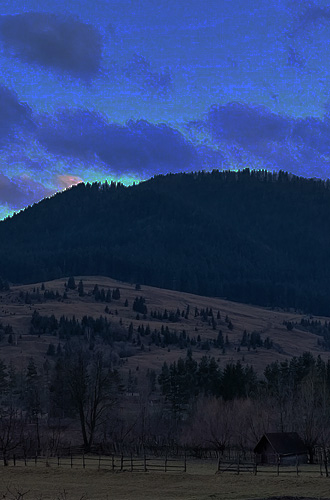
“Andrei, is that your grandparents’ house? Are you sure?”
“Yes, that’s it!”
“Thank goodness,” Uncle said. He didn’t want to be seen by the townspeople, so this was where we had to part ways.
“Take care of yourself.”
He ruffled my hair with his heavy, thick hand. His eyes were kind—just like Cristi’s.
Uncle Nicolae began walking in the direction of the Bistrita’s current. His figure, draped in his brown cloak, grew smaller and smaller until he finally vanished into the forest.
I told the adults about the days I spent in the village by the stream over and over again. My grandfather listened to me properly, but my mother and grandmother never believed me. They simply said it was a miracle that I had returned safely, and eventually, everyone forgot the stories I told.
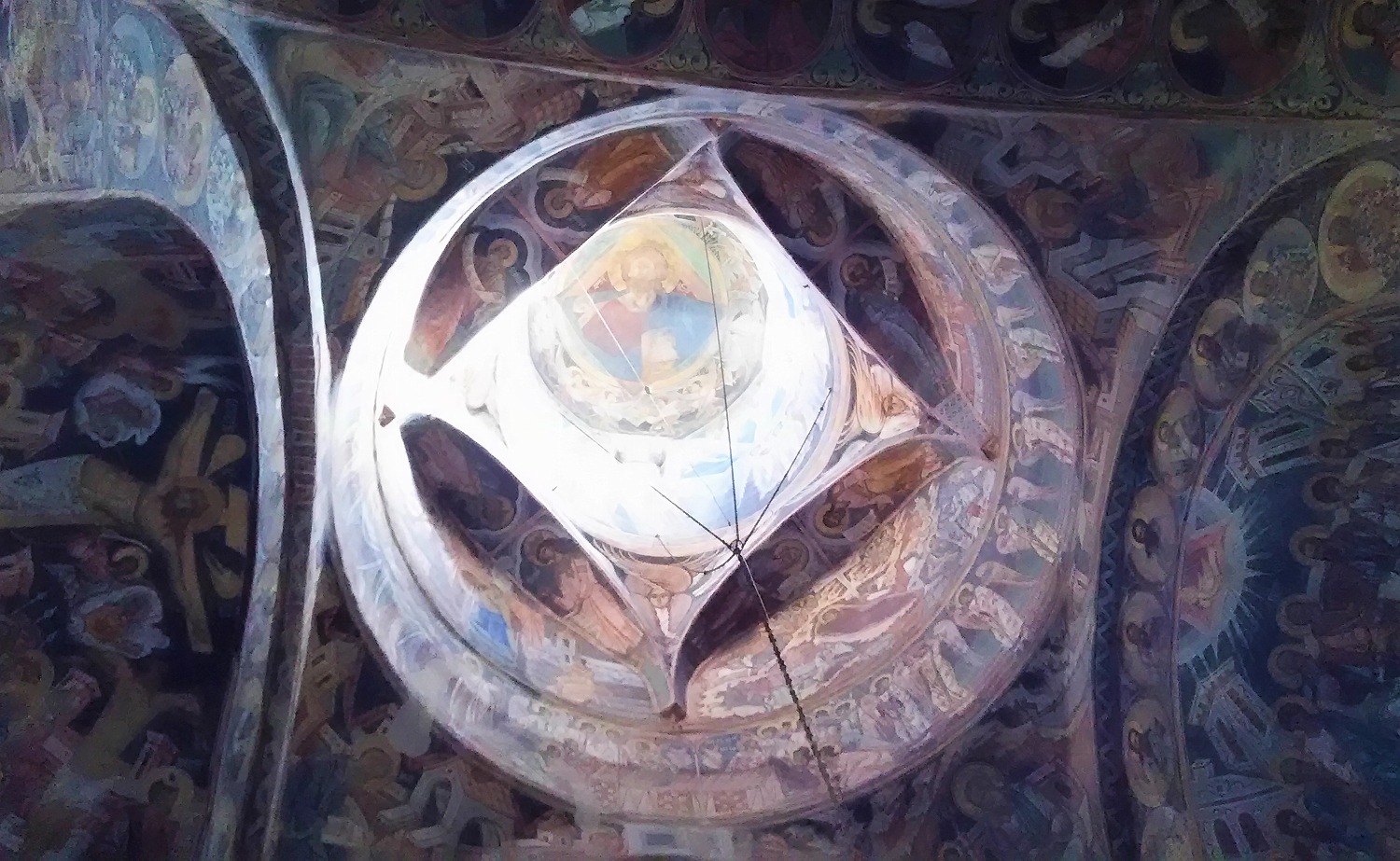
I looked up to find the warm afternoon light flooding the library. Through the window, the tower of the monastery church seemed to float above the fir trees in the park. Maria let out a long, slow breath and removed the glasses she had put on at some point without me noticing.
“What an incredible story,” she said. “That is something one doesn’t hear every day.”
I felt a surge of joy, as if I had finally found someone who understood.
“Actually, I went back to that valley for work recently,” I added.
“What?!” Maria exclaimed. “Did you find the Village by the Stream?”
“No, I didn’t find the village. But I’m certain it has to be there, so as part of my job, I re-examined the area during a survey for the dam project. It’s strange, though, that it can’t be found. That’s why I’ve been here in the library, going through every related document from scratch.”
“I see.”
A mischievous glint appeared in Maria’s eyes.
“Forgive me for saying so, but I think this sort of thing happens quite often.”
“What do you mean?”
“You know—dreams, stories you’ve read in books, and past experiences all getting mixed together to become a ‘memory.’ I believe that happens more often than we realize.”
“You don’t believe me, then?”
I was beginning to feel profoundly disappointed.
“No, I believe it’s a true story,” Maria said. “But even if a story is “true,” that doesn’t necessarily mean it is exactly what you experienced in reality.”
A wave of loneliness washed over me. Even Maria, who had helped me find important clues about the Village by the Stream, didn’t believe my words…
“Memory is a form of fiction, after all. In the end, it’s a construct.”
Maria stated this flatly. Her eyes were like those of a teacher explaining a self-evident theory in a classroom.
“A construct…?” I repeated.
“For example,” she continued, “I suspect that a village from a novel you read as a child simply became your own memory.”
“But what about my friend Cristi? What about Grandma Sofia, Cristi’s Mother, Uncle Nicolae, and little Marioara?”
“Did you have friends when you were a child?”
I was stunned.
“Is this a counseling session?” I asked with a forced, bitter smile.
“No… I apologize.” Maria’s tone softened.
“What I mean to say is, if you didn’t have friends as a child, isn’t it possible that you created an ‘ideal friend’ out of your own imagination?”
An imaginary friend?
All my childhood friends had been classmates from school. After my fall, I had spent my entire summer vacation either at my house in the city or with my maternal grandparents, who also lived in town. I had no memory of playing with other children. How could I have possibly imagined friends as vivid as Cristi or little Marioara?
“Even if it were an imaginary experience, that doesn’t make it a ‘fake’ memory, does it?”
“What do you mean by that?”
“The things you saw in your dreams, the things you saw in your imagination, and the things you saw in reality—they are all things that you saw. Therefore, they are precious memories that belong to you. I think you should cherish your own recollections.”
I wondered if she might be right. And yet, I still couldn’t bring myself to believe that the Village by the Stream was merely a product of my imagination.
“Thank you for such a wonderful story. Take good care of yourself.”
With those words, Maria closed her notebook.
It was only then that I noticed—for the first time—that Maria hadn’t written a single word, not even a single character, in that notebook.
I sat there in the library for a while after she left, feeling dazed. Perhaps it was because I had summoned every last memory of the Village by the Stream for the first time in years. Or perhaps it was the hollowness of realizing that, despite how desperately I had spoken to her, my heart—my experience—hadn’t truly reached her. Like an empty shell, I walked out of the library.
*
Outside, the city was enshrouded in evening light.
The people of the Village by the Stream, living their ancient lives, untouched by modern society… was I unconsciously viewing their way of life as some kind of ideal? And yet, I had never consciously thought that I wanted to live like them. Or was that world, perhaps, what my heart secretly yearned for?
Even after getting into my car, I sat there, lost in thought for a while.
“Anyway, I have to get home.”
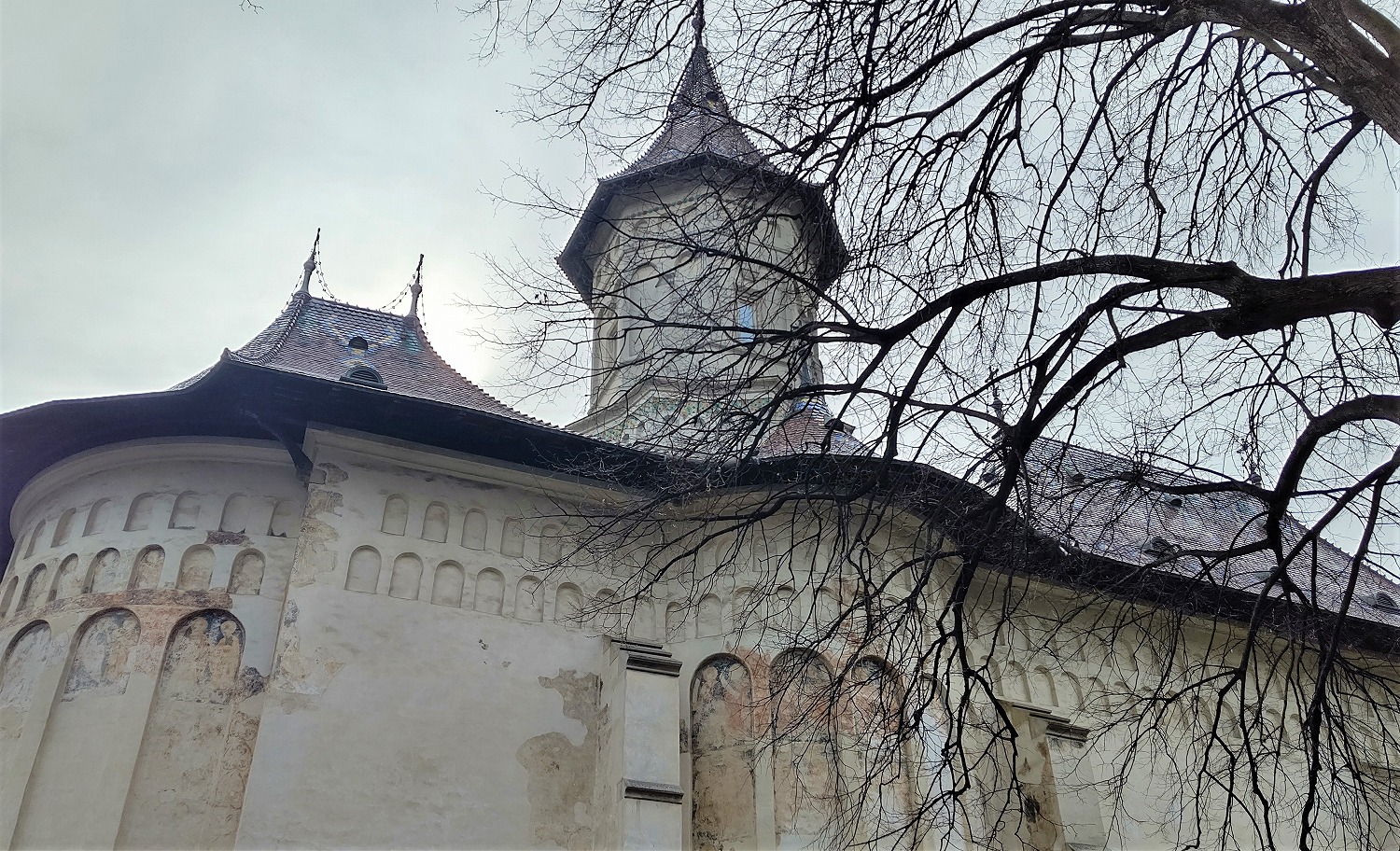
I shook my head and started the engine. While waiting for the light at the intersection in front of the library, the tower of Saint John the New Monastery came into view, so I decided to stop at the church before heading home. When the light turned green, I made a left. The parking lot in front of the monastery gates was empty. Inside the church, a few people were gathered for prayer.
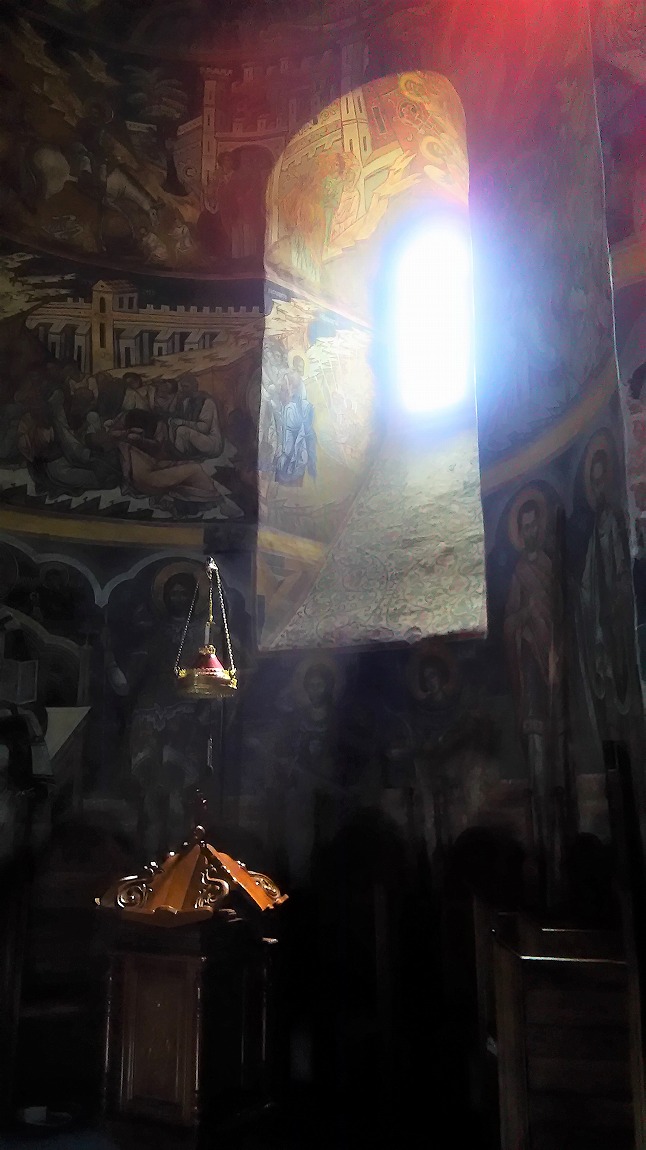
After praying at the altar, I made my way toward Saint John. I knelt and prayed. I wasn’t praying for anything in particular; my mind was a total blank. For a while, I simply remained in a kneeling posture.
Is there something wrong with me? I felt as though both my boss, Gavrilet, and my wife had hinted at it. But Ioana and Sebastian need me. If I am a bit ‘off,’ then I must regain my senses. For the first time, I made a plea to the saint sleeping in the stone sarcophagus: Please, let me stay sane.
I bowed toward the altar once more and stepped out of the church.
The grounds were nearly deserted, save for the slender, black-clad figure of a monk mowing the grass in the fading twilight. Wanting to sit with my thoughts just a little longer, I took a seat on a bench in front of the church.
“That’s right, I need to call Ioana.”
The fact that I had something to do—a real-world task—brought me a flicker of joy. When Ioana answered, I said, “I’m heading home now. And, listen… I’ve decided to stop searching for the Village by the Stream.”
“I see,” she replied.
Ioana was brief, but then she gave a playful laugh and said, “A warm meal is waiting for you.”
Perhaps it was because I had described the Village by the Stream—that vibrant, moving picture in my heart—to Maria until there was nothing left to say. I decided then that no matter who asked me what, I would never speak of that mountain valley. I would lock those memories away in my heart and never take them out again.
The thin clouds hanging in the western sky were dyed in gentle hues of orange, red, and purple. As I stared at the sky for a while, my heart finally began to settle. I stood up from the bench and headed toward my car.
Just as I started the engine, there was a sudden knock on my window. I jolted in surprise, but looking out, I saw it was the monk who had been mowing the grass earlier. He held up a mobile phone.
“You forgot this,” he said as I rolled down the window.
He was a young man with a blond beard and a remarkably bright smile.
“Oh, I was so absent-minded. Thank you very much.”
I took the phone from him. He had kind, blue eyes.
“May God be with you,” he said.
“Thank you,” I replied, and I drove away.
Maybe there is something wrong with me after all. I wasn’t deeply distressed by the thought, but I couldn’t help a bitter smile. Still, from today—from this very moment—I would go back to being my usual self.
I froze.
Those blue eyes.
No, it couldn’t be, I thought.
The hair on my arms stood on end.
It’s impossible… that young man, those eyes… it was Cristi!
A horn blared behind me, and I hurriedly started the car. I turned right and pulled over immediately. It was the main avenue, so I couldn’t drive back the wrong way. I leaped out of the car and ran toward the monastery. But the grounds were already empty.
I rushed back into the church and searched for the priest.
“I’m looking for the monk who was mowing the lawn—the young man with blue eyes.”
“Blue eyes? …Well, we have no such person at this church. Are you sure you weren’t mistaken?” the priest replied, his face clouded with suspicion.
“Thank you anyway.”
I gave up immediately. Every fiber of my being told me that Cristi had been here, but was already gone.
“I think you should cherish your own recollections.”
Maria’s voice echoed in my head.
Maria… wait, could she be Marioara?!
A cold sweat suddenly broke out all over me. Cristi’s little sister, Marioara—by now, she would be just about the age of a university student.
I ran toward the library. I ran with every ounce of strength I had, but it was already closed. Gazing at the locked gates, I struggled to catch my breath. Here, too, my every sense told me that Marioara was already gone.
Why didn’t they say anything? I wondered.
But immediately after, another thought took hold: I’m just glad I got to see them.
I looked up at the sky. In the west, where a pale blue still lingered, a single star shone large and bright. I kept my eyes fixed toward the distant horizon, in the direction of the Village by the Stream.
*This translation from the Japanese into English was created using AI technology, and subsequently reviewed and edited by the original author of the story.
 縦書きでもお読みいただけます。左のボタンをクリックしてファイルを表示させてください。


■ 金魚屋 BOOK Café ■

■ 金魚屋 BOOK SHOP ■